

At a glance:
- White cheese sauce is a versatile component used across hot and cold menu items in foodservice.
- Adjusting the texture and portion size allows you to use white cheese sauce across lighter summer dishes and more structured autumn formats.
- Deciding when to add the sauce and how to use it helps kitchens maintain consistency across pasta bakes, salads, grilled proteins, vegetable dishes and hot handheld items.
White cheese sauce is one of the most versatile base sauces in a commercial kitchen, suitable for use at different stages of cooking. It can be folded into a baked dish, used as a warm finishing sauce, or as a cold application such as a creamy dressing.
For summer and autumn menus, the key is control over how the sauce performs. Lighter texture, clean flavour and consistent performance matter more than richness. When the sauce is designed for the dish and the service conditions, it supports speed, portion accuracy and reliable results.
The menu ideas below outline practical white cheese sauce recipes, with clear guidance on when to add the sauce during cooking and why each application works in foodservice.
Mornay-Style Pasta Bakes
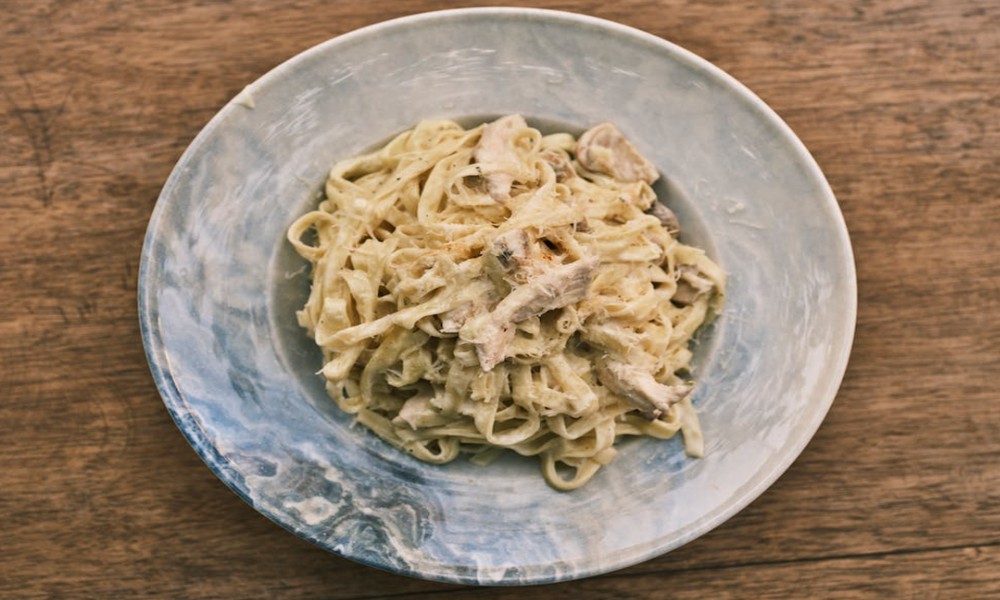
In warmer months, pasta bakes benefit from having the sauce incorporated into the dish rather than applied as a heavy surface layer. A mornay-style white cheese sauce added during assembly binds ingredients and delivers flavour without increasing perceived heaviness.
Short pasta shapes, filled pasta and shallow tray bakes are well-suited to this approach in busy service. These formats heat evenly, reach service temperature quickly and portion cleanly during lunch and early evening service. Folding the sauce through blanched vegetables such as zucchini, spinach, mushrooms, or tomato-based components holds the dish together while allowing individual ingredients to remain distinct.
In service, these bakes retain their structure during short holding periods and cut cleanly at the pass. The base method remains consistent, allowing operators to substitute vegetables or add light proteins, such as chicken, without changing prep steps or workflow.
Dressing for Protein-Led and Grain-Based Salads
White cheese sauce also serves as a foundation for a creamy salad dressing when adjusted before service. When you thin, season and emulsify it, the sauce coats salad ingredients evenly and prevents dressing from pooling at the base of the dish.
This approach suits grilled chicken salads, roasted vegetable salads, warm grain bowls and pasta-style salads where ingredients need a dressing with body. The sauce is incorporated at the final mixing stage to ensure even coverage and flavour consistency without pooling.
For kitchens, this offers clear operational advantages. A single batch can be used across multiple salads, portioning is easy to control and the dressing holds well in chilled service. As menus begin to introduce warmer or roasted salad components later in the season, the same dressing remains appropriate.
Char-Grilled Proteins Finished with Light Cheese Sauce
White cheese sauce works best as a finishing touch on grilled proteins after they are done cooking. Timing matters, so the sauce should be added only after the protein is off the grill. The sauce adds flavour without dulling or masking the grill’s natural smokiness.
Grilled chicken, prawns and fish are strong candidates. The sauce can be lightly spooned, brushed, or set beneath the protein to warm it through without overcooking. This method preserves grill character while adding controlled richness.
This application is well-suited to plated service and fast-paced kitchens where repeatability is critical. It supports lighter builds while still delivering enough depth to justify the dish.
Vegetable Gratins and Baked Sides
As menus shift toward autumn, white cheese sauce becomes a structural component in oven-finished vegetable dishes. Here, you incorporate the sauce before baking to bind ingredients and support even cooking.
Layered trays, portioned bakes and mixed vegetable gratins all benefit from this approach. Vegetables such as potatoes, cauliflowers, pumpkins, leeks and mushrooms retain moisture and finish cleanly when the sauce is well-balanced.
These dishes are well-suited to batch preparation and hot holding, with consistent portioning at service. They align naturally with menus that favour warmth and substance without excessive complexity.
Pressed and Toasted Handhelds
In hot handheld formats, white cheese sauce is applied inside the sandwich or wrap during assembly, before heating. It is used as a thin internal layer, placed centrally on the bread or along the filling, then enclosed and pressed or grilled.
Under heat and pressure, the sauce softens and spreads only within the compressed interior. This positioning allows the sauce to sit between the bread and protein, reducing dry patches during heating.
To prevent leakage, the sauce is kept away from edges and seams and used in restrained quantities so the bread toasts rather than absorbs excess moisture. This placement works best with dense fillings such as patties, grilled chicken, or roasted vegetables.
From a service standpoint, this simplifies execution. The sauce is applied once during assembly. Once the build is closed, heat does the rest. The outcome is predictable melt, stable structure and clean handling through peak service without altering the core sandwich build.
When you treat white cheese sauce as a recipe ingredient rather than a default finishing touch, you can make more deliberate decisions about how it works within each dish.
By controlling when it is added and how it responds to heat, the same base can be applied across lighter summer dishes and more substantial autumn formats without changing preparation methods.
As your menu shifts between seasons, working with a dependable foodservice cheese supplier helps you maintain consistent performance, supply continuity and predictable results in service.
