

For many, dark chocolate is more than just a sweet treat; it is a complex culinary experience that rivals fine wine or specialty coffee in its depth and variety. However, the surge in popularity of high-percentage cocoa has led to a market saturated with options, making it difficult to distinguish between a truly premium product and a standard commercial bar. To find a bar that offers a symphony of flavor rather than just bitterness, you must look beyond the beautiful packaging and examine the technical details of the ingredients and the manufacturing process. Whether you are looking for a sophisticated gift or a personal treat, the best way to elevate your dessert game is to shop artisanal dark chocolate online from small-batch makers who prioritize ethical sourcing and complex flavor profiles.
The Simplicity of the Ingredient List
The first rule of thumb when evaluating premium dark chocolate is that less is almost always more. A high-quality bar should have a remarkably short list of components. The primary ingredients should be cocoa mass or cocoa liquor, cocoa butter, and a touch of sugar. Premium chocolate relies on the inherent quality of the beans to provide flavor, so it does not require artificial enhancers.
You should be wary of bars that list vanillin, which is a synthetic imitation of real vanilla, or an excess of emulsifiers like soy lecithin. While a small amount of lecithin is common to maintain a smooth texture, it should never be the star of the show. Most importantly, stay away from bars that contain vegetable oils or palm oils. True premium dark chocolate uses only cocoa butter, which is the natural fat from the bean that allows the chocolate to melt at body temperature, creating that signature silky mouthfeel.
Understanding Cocoa Percentage and Origin
The percentage printed on the front of the wrapper tells you how much of the bar comes directly from the cacao bean, including both the solids and the butter. While seventy percent is often considered the sweet spot for balancing health benefits with palatability, the percentage alone does not determine quality. A seventy percent bar made with low-grade beans can taste far worse than an eighty-five percent bar crafted from specialty cacao.
This is where origin becomes vital. Premium chocolate makers often produce single-origin bars, meaning the beans were harvested from a specific region, such as Madagascar, Ecuador, or Ghana. Just like soil affects the taste of a grape, the environment affects the cacao. Madagascar beans often have bright, fruity notes, while South American beans might lean toward nuttiness or floral tones. If a label provides specific details about the farm or the region, it is a strong indicator that the maker cares about the unique flavor profile of the harvest.
Physical Indicators of Quality
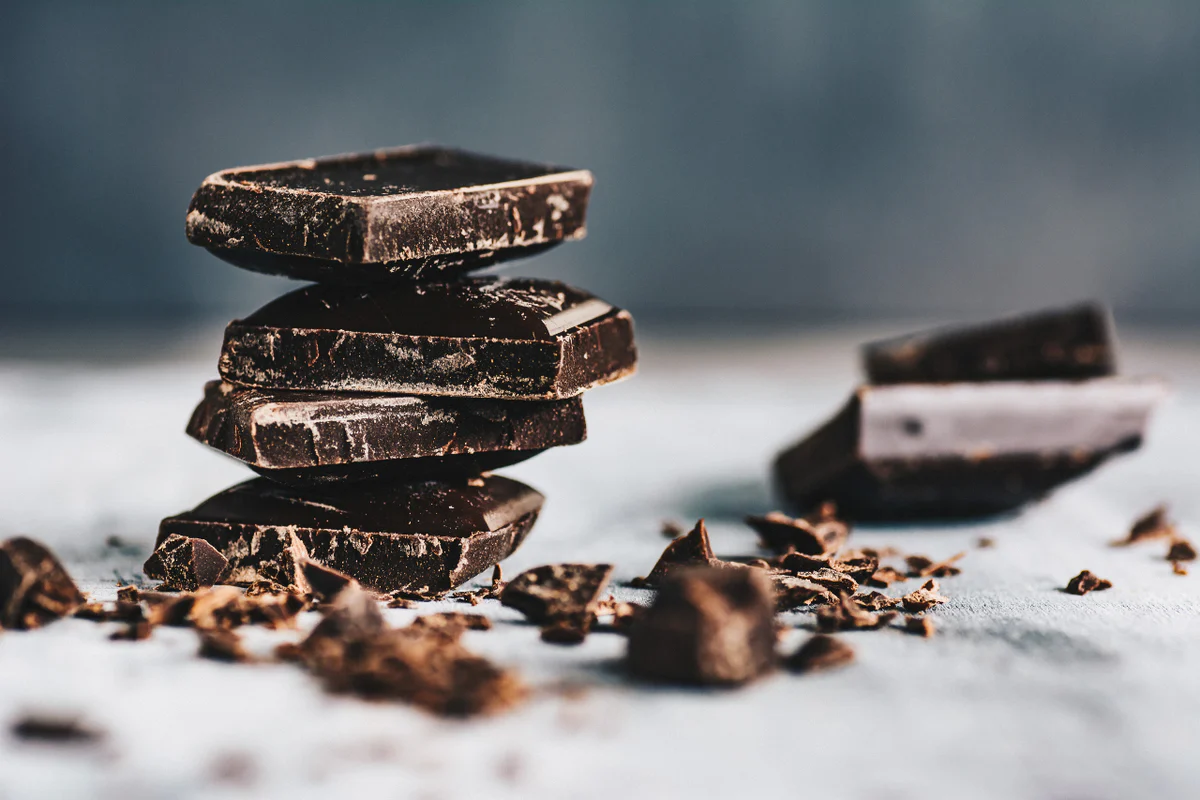
Before you even take a bite, you can judge a chocolate bar by its physical characteristics. A premium bar should have a glossy, smooth sheen without any white, dusty film known as bloom. When you break a piece off, it should produce a sharp, clean snap. This sound is the hallmark of well-tempered chocolate, indicating that the cocoa butter crystals have been stabilized correctly.
Once you taste it, the chocolate should melt evenly on your tongue without feeling gritty or waxy. A premium bar will have a long finish, meaning the flavors continue to evolve and linger for several minutes after the chocolate is gone. If the primary sensation is a harsh, burnt taste or a cloying sweetness that coats the back of your throat, it is likely that the beans were over-roasted to hide defects or that the sugar content is too high.
Conclusion
Finding the perfect premium dark chocolate bar is a journey of sensory discovery. By prioritizing a clean ingredient list, paying attention to the geographic origin of the beans, and looking for the perfect snap, you can elevate your snacking into a true gourmet ritual. Premium chocolate is an investment in quality and craftsmanship, rewarding the patient eater with a complex profile of flavors that commercial candy simply cannot replicate. The next time you browse the aisles, remember that the best bars are those that respect the natural integrity of the cacao bean.
