

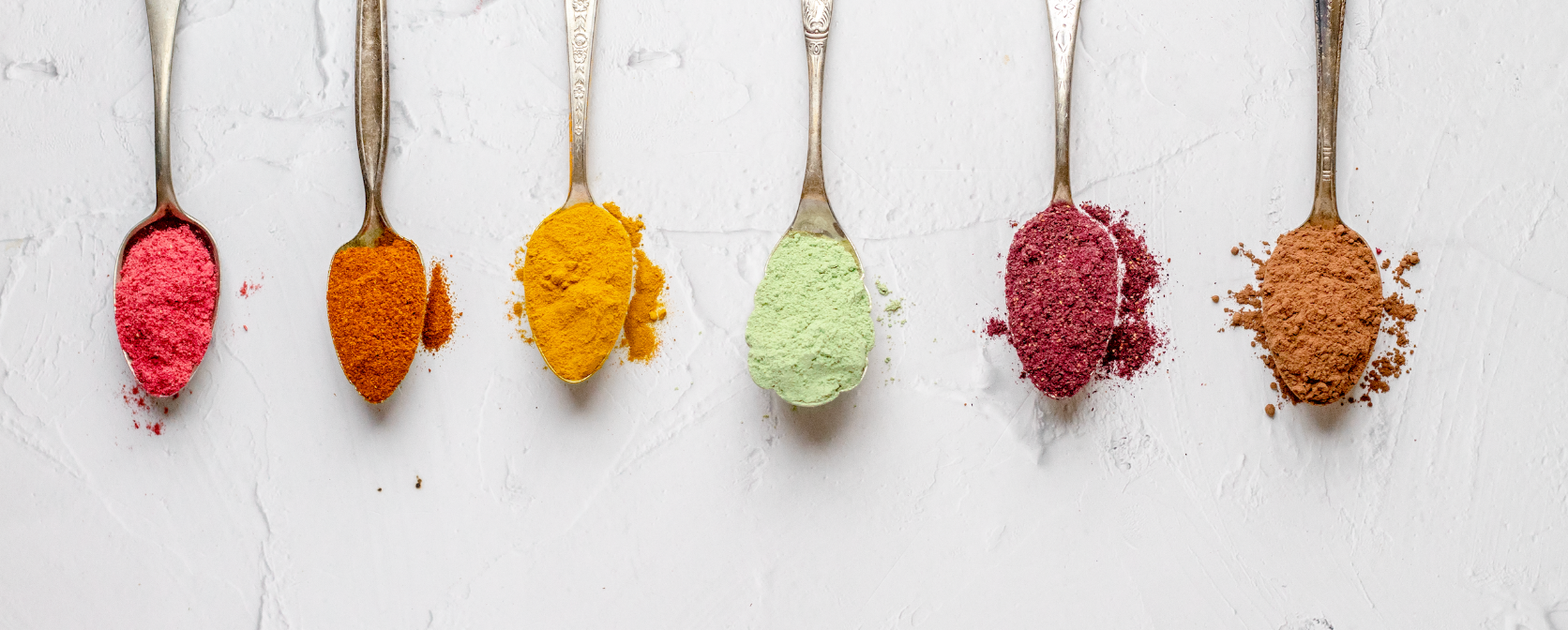
Many food companies now avoid artificial shades because buyers read labels more carefully than before. all natural food coloring options are becoming common inside drinks, snacks, bakery fillings, and packaged sauces everywhere. Turmeric color stays popular because the shade looks warm without appearing too bright or chemical-based. It also blends nicely inside simple ingredient lists. Some manufacturers prefer this coloring because small amounts already create noticeable yellow tones across different processed foods and frozen products.
Turmeric Extract Works Better in Certain Recipes
Not every natural pigment behaves properly during industrial production and long storage conditions. Turmeric juice generally makes higher interior dry mixes, sauces, dairy products, and flavored rice preparations. Heat can still affect the final shade during cooking processes sometimes. Many companies test several concentration levels before launching finished products commercially. All natural food coloring ingredients often require balance because strong colors may slightly influence flavor if the formulation remains uncontrolled during manufacturing stages or transport handling.
Demand Increased Because Clean Labels Became Important
Shoppers now compare ingredient labels while standing directly inside supermarket aisles for several minutes. That habit changed food manufacturing trends very quickly during recent years worldwide. all natural food coloring ingredients attract attention because consumers connect them with simpler product formulations and less synthetic processing. Turmeric color appears regularly inside plant-based snacks, instant noodles, spice blends, and prepared soups sold online. Small food startups decide on natural colorants primarily because branding becomes less difficult when the factor describes appearance and easier cleaning.
Storage Conditions Still Matter for Natural Ingredients
Natural dyes generally require more interest in the transportation process and inventory storage conditions every day. Direct daylight, exposure to humidity, and extreme temperatures can additionally reduce color balance after extended intervals. Turmeric dye suppliers often recommend sealed packaging to preserve the stronger Class I pigments at some level of dispersion. Manufacturers used all-natural food coloring and generally practiced indoor-shelf lifestyle experiments completely evolved before the start of mass production. Packaging choice additionally counts due to the fact that clear containers sometimes weaken natural shadows quickly compared to contained multilayer packaging systems.
Manufacturers Often Compare Cost With Performance Carefully
Natural colorants cost more, by the way, compared to common synthetic food colorants used in all industries. Even then, many manufacturers have transitional formulations due to the fact that customer expectations have already shifted closer to purifiers. All herbal dye options may even increase manufacturing charges slightly depending on the source of goods and purity standards. The turmeric color remains attractive because the compound provides significant color intensity without particularly complex processing requirements. Bulk purchasing and appropriate component planning can help companies manage production costs more effectively over long commercial business cycles.
Conclusion
Natural food shades continue gaining attention because buyers increasingly prefer recognizable and straightforward ingredient names. foodrgb.com shares useful information for businesses searching for practical solutions related to natural pigments and modern food manufacturing applications. all natural food coloring ingredients already influence purchasing decisions across many packaged food categories globally. Turmeric color also remains widely used because the pigment adapts reasonably well across several product formats and processing conditions. Companies planning future product launches should evaluate ingredient stability, sourcing consistency, and formulation compatibility carefully before scaling production commercially.
