

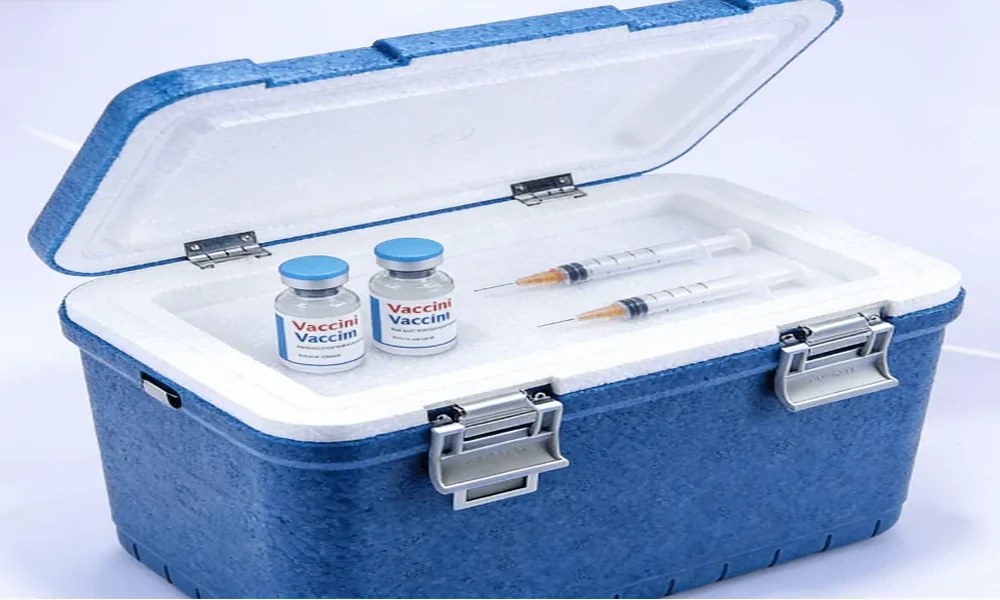
Seasonal temperature changes can alter the performance of a chilled parcel. A configuration that performs adequately in mild conditions may behave differently during summer heat or winter cold. Validation should assess the complete packaging combination against the product’s temperature requirements from dispatch to delivery.
Start with a Representative Shipment Configuration
Build the test pack using the materials and packing steps intended for routine fulfilment. An empty mailer or an insulation description alone cannot demonstrate how a loaded parcel will perform.
Include a representative product or test payload, the proposed type and quantity of coolant, its placement, the selected mailer and any outer packaging. Use temperature loggers at positions selected to assess conditions around the payload. Record the starting temperatures and packing procedure so the test can be reproduced.
Consider Seasonal Heat and Cold Exposure
Hot vehicles, cold storage areas, outdoor waiting periods and direct sun exposure can affect parcel conditions. Select a test profile that represents the intended route and shipping season, including relevant high and low temperature exposures.
Understanding how heat moves through insulated mailers helps explain why walls, seams and closures all matter. Coolant placement can also influence temperature differences within the pack. Check the complete arrangement rather than assuming that the insulation material alone determines the result.
Include Realistic Delivery Delays
A test based only on the scheduled transit time may overlook foreseeable delays. Depending on the route, these could include overnight holding, missed delivery attempts or customs clearance.
Set the test duration and exposure sequence to include a justified delay allowance. Use the planned loading method and record temperature readings and exposure events throughout the test. The allowance should reflect the actual delivery operation rather than an arbitrary extra period.
Keep Performance Claims Specific to the Tested Pack
Different insulated mailers for parcel shipping can form part of different packaging configurations. Results depend on the mailer size and construction, payload, coolant quantity and placement, closure, outer packaging and exposure conditions.
Record these details alongside the test duration, acceptance range and logger results. A successful result for one configuration should not be presented as proof for every size, load or shipping season. Review significant changes before relying on the earlier result.
Review Results Before Seasonal Use
Compare the temperature records with the product’s defined storage and shipping requirements. Investigate excursions and repeat testing when changes to the configuration or route could affect performance.
This is a recommended validation approach for buyers and fulfilment teams. It does not indicate that Ecopack has already validated every mailer or delivery configuration. Evidence from the specific tested pack should support the decision to use it for the intended shipment.
