

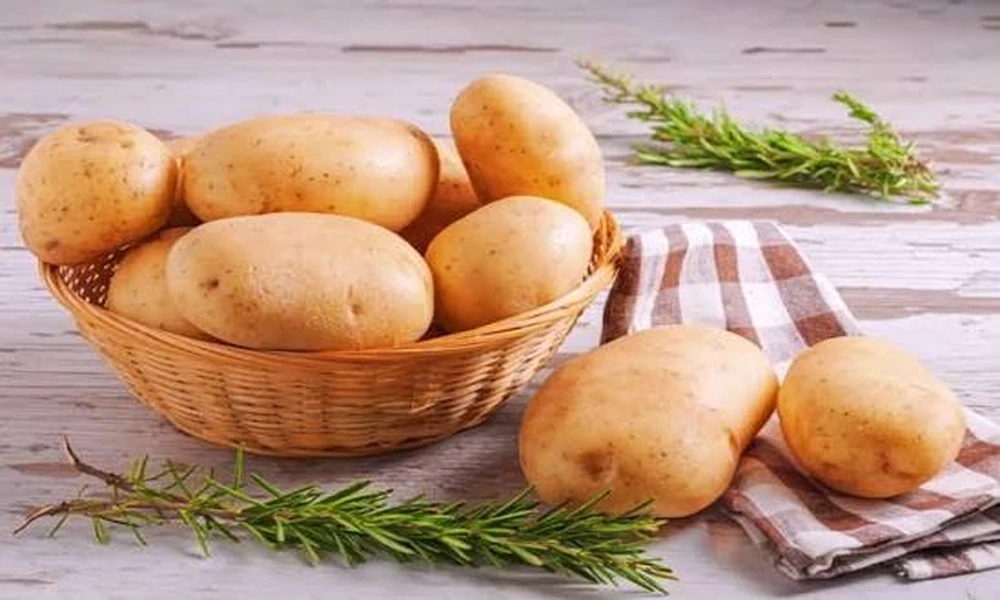
Nutrition advice has changed dramatically over the years. Foods once praised have later been questioned, while others have made surprising comebacks as new research expanded our understanding of healthy eating. Throughout these changing conversations, one familiar ingredient has remained a dependable part of diets around the world: the potato. Nutritionists continue to acknowledge its usefulness when consumed as part of a balanced eating pattern, even though it has occasionally been misinterpreted.
The potato’s lasting appeal comes from its ability to deliver nourishment, flexibility, and practicality without relying on health trends or expensive ingredients.
Whole Foods Continue To Lead Healthy Eating
Modern nutrition increasingly emphasizes eating foods in their natural state rather than depending heavily on processed alternatives. Potatoes fit this recommendation remarkably well because they are a whole vegetable that requires minimal processing before reaching the kitchen.
Prepared by baking, steaming, boiling, or roasting, potatoes become a nutritious component of meals built around vegetables, lean proteins, legumes, and healthy fats. Their simplicity makes them an easy addition to everyday cooking without sacrificing flavor or convenience.
This whole food approach is one reason experts continue to include potatoes in balanced dietary recommendations.
They Deliver More Than Many People Expect
Public perception often focuses on the carbohydrate content of potatoes while overlooking everything else they contribute.
When consumed with the skin on, potatoes naturally provide potassium, vitamin B6, vitamin C, and nutritional fiber. These nutrients support many normal body functions, including immune health, energy metabolism, muscle function, and digestive wellness.
Instead of evaluating potatoes by a single nutrient, nutrition experts consider the complete package they provide within an overall healthy diet.
Practical Nutrition Matters
Healthy eating should be realistic enough for people to maintain over time. Foods that are difficult to find or expensive to purchase rarely become everyday habits.
Potatoes remain widely available, affordable, and easy to prepare. This accessibility allows families from many different backgrounds to include nutritious ingredients in their meals without dramatically increasing grocery costs.
Experts often recognize that sustainable eating habits depend not only on nutrition but also on practicality. Potatoes satisfy both of these priorities remarkably well.
They Fit Naturally Into Balanced Meals
No single ingredient determines whether a meal is healthy. Instead, nutrition depends on how foods work together on the plate.
Potatoes pair well with grilled fish, roasted vegetables, beans, eggs, poultry, fresh herbs, leafy greens, and dairy products. They add texture and delight to a wide range of dishes because of their subtle flavor.
Rather than replacing other nutritious foods, potatoes often help create meals that include greater variety.
A Better Question Than Many People Ask
Many conversations begin with the question, are potatoes good for you, but nutrition professionals usually approach the topic differently. Instead of judging one food in isolation, they examine the overall dietary pattern, cooking method, serving size, and accompanying ingredients.
A roasted potato served with vegetables and lean protein supports healthy eating in ways that differ greatly from heavily processed fast food meals. Understanding this broader context provides a more accurate picture than focusing on one ingredient alone.
Backed By Generations Of Everyday Use
Long before nutrition science became widely understood, potatoes had already earned their place in kitchens across the globe. Their ability to nourish communities through different climates, cultures, and economic conditions speaks to their enduring usefulness.
Generations of home cooks have relied on potatoes because they consistently perform well in countless recipes while remaining accessible year-round.
This combination of tradition and nutritional value continues to reinforce their reputation among food professionals.
Supporting Modern Healthy Lifestyles
Today’s lifestyles vary greatly. Some people prepare quick weekday dinners, others follow plant-based meal plans, while many simply aim to cook more meals at home.
Potatoes adapt comfortably to each of these situations. They can be included in meal prep containers, vegetable bowls, soups, salads, casseroles, and international recipes without requiring specialized preparation techniques.
Their versatility allows healthy eating to remain enjoyable rather than restrictive.
Conclusion
The humble potato continues to win over nutrition experts because it offers far more than convenience or familiarity. As a wholesome ingredient, it provides valuable nutrients, works well in balanced meals, supports practical home cooking, and remains affordable for families around the world. While nutrition trends will continue to evolve, potatoes demonstrate that lasting healthy foods are often the ones that have quietly delivered dependable nourishment for generations.
